
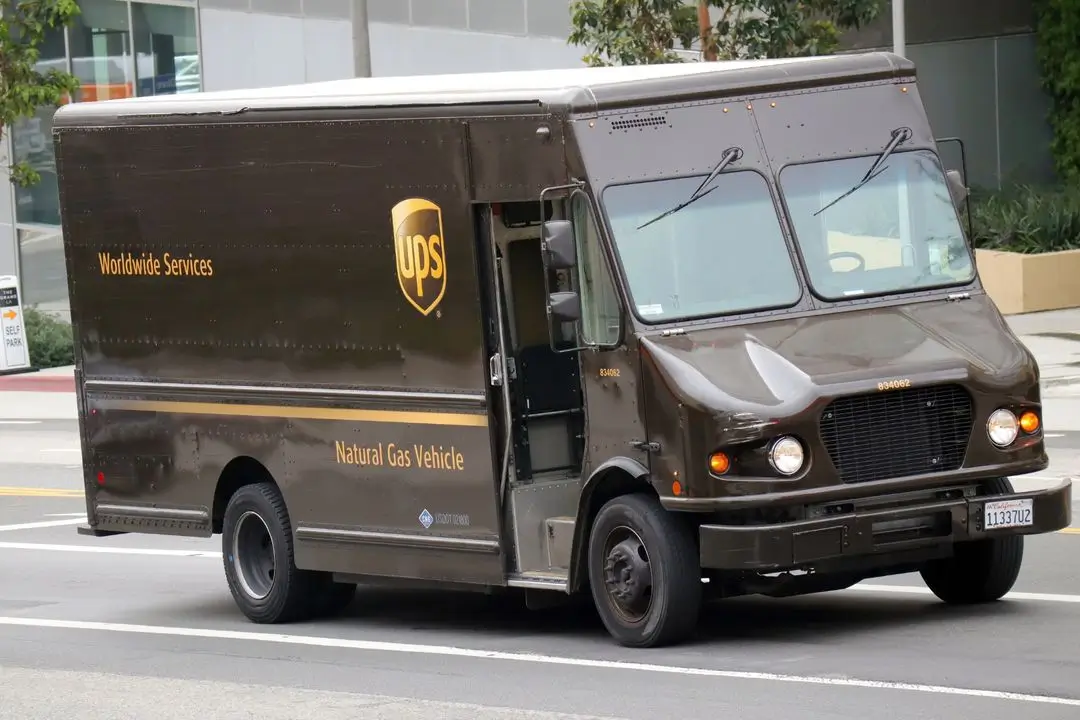
Yes, UPS ships frozen food — domestically and internationally — through UPS Next Day Air®, 2nd Day Air®, and 3 Day Select®. For DTC perishable brands, UPS is a strong option thanks to competitive 2-day pricing, consistent driver routes, and a reliable service guarantee that lets you recover shipping costs when delays happen.
We process thousands of frozen shipments monthly across UPS, FedEx, and regional carriers. This guide is built from what we've seen work — and fail — in real fulfillment operations shipping perishable goods nationwide. If you're evaluating UPS for your frozen food business, here's what you need to know beyond the sales pitch.
Last updated: April 2026
UPS Frozen Food Shipping Services
UPS offers three express service tiers relevant to frozen food: Next Day Air, 2nd Day Air, and 3 Day Select. Each has tradeoffs between cost, dry ice requirements, and spoilage risk.
UPS Express Services for Frozen Food
- UPS Next Day Air®Delivery by 10:30 AM–12:00 PM next business dayIdeal for frozen
- UPS 2nd Day Air®Delivery by end of day, 2 business daysStrong option with proper packing
- UPS 3 Day Select®Delivery by end of day, 3 business daysHigh risk — heavy dry ice required
UPS operates its primary air hub in Louisville, Kentucky (Worldport), the largest automated package handling facility in the world, processing over 2 million packages per day [1]. Unlike FedEx's Memphis hub model, UPS also routes heavily through regional ground hubs, which means 2-day services often travel by ground for shorter zones — resulting in more predictable transit times for shipments within 500 miles.
For most DTC frozen food brands, UPS 2nd Day Air is the sweet spot. It's significantly cheaper than Next Day Air (often 30–40% less) and still provides a manageable transit window when paired with proper insulation and adequate dry ice. Next Day Air is the safest choice for high-value frozen products or shipments crossing multiple climate zones.
UPS Express Critical® exists for truly urgent shipments — it uses a dedicated vehicle with no other packages on board. It's expensive (often 3–5x the cost of standard express), but it's an option when a high-value order absolutely cannot fail. Most DTC brands will never use it, but it's worth knowing it exists.
UPS Ground is risky for frozen food. Transit times range from 1–5 business days depending on distance, and service guarantees don't kick in until after day 5 — making claims for spoilage or delays on shorter shipments virtually pointless. Only consider Ground if transit times are expected within 1–2 business days, and even then, expect loss rates to be slightly higher than express services due to non-climate-controlled vehicles and warehouses.
UPS Temperature True® Packaging: What It Actually Is
UPS markets Temperature True as a cold-chain packaging solution, and it's worth understanding what this program really is before you assume it solves your packaging problem.
Temperature True packaging — including the Med 500 box system — uses vacuum insulation panels (VIPs) that offer superior thermal performance per inch compared to standard EPS foam. On paper, that sounds ideal for frozen food. In practice, Temperature True is designed for the healthcare and life sciences industry: biologics, pharmaceuticals, clinical trial materials, diagnostic reagents, and specimens [2].
The packaging is engineered around pharma-grade temperature ranges (< -20°C frozen, 2–8°C refrigerated, controlled room temperature) and is validated for multi-day international shipments of medical materials. The payload capacities — ranging from 3 to 42 liters — reflect pharmaceutical shipping volumes, not the case sizes that DTC food brands typically work with.
Why This Matters for Food Shippers
We've seen Temperature True referenced in guides and sales pitches as a turnkey solution for frozen food brands. It's not. Here's the reality:
- Cost structure doesn't fit DTC food margins. Pharma-grade VIP packaging is priced for an industry where a single vial of medication can be worth thousands of dollars. A $300 shipment of frozen steaks doesn't justify the same per-box cost.
- Payload sizes are wrong. Most DTC frozen food orders need 1–2 cubic feet of insulated space. The Med 500 lineup is sized for small pharmaceutical payloads, not food boxes.
- No operational integration. Food fulfillment operations run across multiple carriers. Temperature True locks you into UPS-only shipments with packaging that doesn't transfer to FedEx or regional carriers.
- Nobody in the industry uses it. Talk to any experienced perishable food fulfillment operation, and they'll confirm: EPS foam coolers with dry ice are the standard. Not because they're perfect, but because they're proven, cost-effective, carrier-agnostic, and available at scale.
The bottom line: Temperature True is an excellent product for its intended market (healthcare logistics). But for DTC frozen food, your money and effort are better spent on well-sourced EPS insulated packaging and proper dry ice protocols — which we'll cover next.
Insulated Packaging for Frozen Food: What Actually Works
Since Temperature True isn't the answer for food brands, let's talk about what DTC perishable shippers actually use. The standard is straightforward: EPS (expanded polystyrene) foam coolers inside corrugated outer boxes, packed with dry ice.
The Standard Setup
- EPS foam cooler with 1.5-inch minimum wall thickness (2-inch for 3-day transit or summer shipping)
- Waterproof poly liner on all interior surfaces to prevent moisture from compromising the foam
- Bottom layer of dry ice — product should never sit directly on the bottom of the cooler
- Frozen product in leak-proof bags, layered alternately with dry ice
- All voids filled with dry ice or insulating material — air pockets are the enemy of thermal retention
- Final dry ice layer on top — cold air sinks, so a top layer helps maintain even temperature distribution
- Sealed inside a sturdy outer corrugated box rated for the total weight
Critical detail: Never seal the outer box airtight. Dry ice produces CO₂ gas as it sublimates — a sealed box can build pressure and rupture. Leave small ventilation gaps or use boxes designed for dry ice shipments with built-in venting.
Choosing the Right Cooler Size
Right-sizing your packaging is one of the easiest ways to cut shipping costs. UPS (and FedEx) bill most express shipments by dimensional weight — length × width × height ÷ 139. A box that's 2 inches oversized in every direction can add $3–$7 per shipment.
Match your cooler to your most common order sizes. Most DTC frozen food brands stock 2–3 cooler sizes to cover their range: a small (fits 2–4 items), a medium (6–10 items), and a large for subscription boxes or bulk orders. The slight increase in packaging SKU complexity pays for itself in reduced dimensional weight charges.
EPS Foam: Thermal Performance Expectations
A 1.5-inch EPS foam cooler provides roughly 24–36 hours of frozen temperature protection at summer ambient temperatures, depending on dry ice quantity and how well voids are filled. A 2-inch wall extends that to 36–48 hours. These numbers assume the product was pre-frozen to 0°F before packing — product that's still cooling when packed loses temperature significantly faster in transit.
For context: if you're shipping 2nd Day Air with a 2-inch EPS cooler and adequate dry ice, you have enough thermal buffer to survive a one-day delay and still deliver frozen product. That's the margin you need for reliable operations.
Gel Packs: When They Work (and When They Don't)
Gel packs hold refrigerated temperatures (32–40°F) and work well for fresh produce, dairy, prepared meals, and anything that doesn't need to stay frozen. They're cheaper than dry ice, don't require hazmat labeling, and have no regulatory overhead.
But gel packs cannot maintain sub-zero temperatures. If your product must stay at or below 0°F, dry ice is the only viable coolant for parcel shipping. For brands that ship both frozen and refrigerated products, you'll need a system that splits mixed-temperature orders automatically so each product gets the right packaging treatment. Shipping a refrigerated item in a dry ice box wastes money; shipping a frozen item with gel packs guarantees spoilage.
Dry Ice: Costs, Quantity Estimates, and Labeling for UPS
Dry ice remains the standard coolant for frozen food shipped via UPS. It sublimates (turns from solid directly to gas) at a rate that depends on your insulation quality, ambient temperature, and how much air space is in the box.
How Much Dry Ice Per Service Level
Generic "pounds per day" charts are misleading because dry ice requirements vary dramatically based on your box size, insulation thickness, and product weight. Here are realistic estimates for a common DTC frozen food shipment:
Dry Ice Estimates by UPS Service
Example box: 12" × 12" × 12" EPS cooler, 30 lbs total contents, pre-frozen to 0°F, 1.5" wall thickness
- UPS Next Day Air® / Standard1 day transit3–4 lbs
- UPS 2nd Day Air®2 day transit~5.5 lbs
- UPS 3 Day Select®3 day transit8.5–10 lbs
These estimates assume product is pre-frozen to 0°F for at least 24 hours before packing. Always pack for the delay — if transit is quoted at 2 days, pack enough for 3 days of protection. Dry ice costs $1.00–$1.25/lb from industrial suppliers at volume.
Scaling note: These numbers scale roughly with box size, but not linearly. Larger boxes have more surface area (more heat transfer) but also more thermal mass. A 16" × 16" × 16" cooler shipping 2nd Day Air might need 8–10 lbs rather than a straight pro-rata increase. Test your specific packaging setup before committing to production dry ice quantities.
One UPS-specific advantage: UPS offers a service guarantee on most express shipments. If they miss the committed delivery time, you can request a refund of the shipping charges. This doesn't cover product spoilage, but it does reduce your shipping cost exposure when delays happen. No other major carrier offers this as consistently for perishable-applicable services.
UPS Dry Ice Limits
UPS allows up to 200 lbs of dry ice per package on domestic ground and cargo-only flights. Packages with more than 5.5 lbs of dry ice are restricted from passenger aircraft, which is standard across all carriers per DOT regulations [3].
Labeling Requirements
Every UPS package containing dry ice must display a UN 1845 Class 9 miscellaneous hazardous material label showing:
- Net weight of dry ice in kilograms
- Full shipper and recipient contact information
- "Dry Ice" or "Carbon Dioxide, Solid" and the UN number (UN 1845)
UPS has been increasingly strict about compliance. Improperly labeled packages can be refused at pickup, delayed in the network, or result in account warnings. If you're shipping at volume, automate your hazmat labeling — manual processes break down at scale and a single missed label can trigger a compliance review of your entire account.
Compliance and Regulatory Requirements
Shipping frozen food through UPS means navigating federal, state, and potentially international regulations. Most of these overlap with other carriers, but UPS has a few unique requirements for international shipments.
Federal Requirements (Domestic)
The FDA's Food Safety Modernization Act (FSMA) [4] requires shippers to maintain food safety during transportation. The Sanitary Transportation Rule (finalized 2016) places responsibility on the shipper — not the carrier — to ensure proper temperature control. If a frozen shipment arrives spoiled, the liability chain starts with your packaging and processes.
The DOT regulates dry ice under 49 CFR 173.217, requiring proper UN 1845 Class 9 labeling on every package. This applies regardless of carrier.
UPS International Special Commodities (ISC) Contract
Here's where UPS differs from FedEx. For international frozen food shipments, UPS requires a signed International Special Commodities (ISC) contract between your business and UPS before they'll accept perishable goods for international routes. This contract outlines both parties' responsibilities for temperature maintenance, documentation, and liability.
The ISC contract process typically takes 1–2 weeks and requires you to provide details about your products, packaging, and shipping volumes. If you're planning international expansion, start this process well before you need to ship — don't wait until your first Canadian or UK order comes in.
International shipments also require compliance with IATA Packing Instruction 954 for dry ice [5] and the importing country's food safety regulations. For shipments to Canada, you'll need a Safe Food for Canadians License and CFIA-compliant labeling. UPS operates cold chain facilities in 34 countries, which gives them broader international coverage than most regional carriers.
State-Level Regulations
Some U.S. states impose additional requirements for food in transit — temperature monitoring mandates, specific labeling rules, or additional permits for certain food categories. California, New York, and Florida are the most common sources of state-level requirements. Check your destination state's department of agriculture before shipping frozen food to new markets.
Scheduling and Timing for UPS Frozen Shipments
When you ship is as important as how you pack. A perfectly insulated box shipped on the wrong day can still result in spoiled product and an angry customer.
Ship Monday Through Wednesday
The standard rule in perishable DTC: restrict frozen shipments to Monday through Wednesday. Thursday can work for Next Day Air only. Friday frozen shipments are dangerous — any delay pushes delivery to Monday, meaning your package sits through the entire weekend with no temperature control. Even with adequate dry ice, 72 hours in an uncontrolled warehouse can ruin most frozen products.
UPS Pickup Windows
One advantage of UPS that's often overlooked: UPS drivers tend to have consistent daily routes. Unlike FedEx, where drivers rotate more frequently, your UPS driver will often be the same person picking up from your warehouse every day. This means predictable pickup times, which matters when you're scheduling fulfillment around a strict cutoff.
UPS pickup cutoffs typically fall between 4:00 PM and 6:00 PM local time, but your specific window depends on your location and account agreement.Set your internal order cutoff at 1:00 PM. Orders after 1 PM ship the next business day. A 4:00 PM order that you try to rush out introduces too many failure points — incorrect pack-outs, missed pickups, no time to catch labeling errors. Rushing a frozen pack job to hit a cutoff is how dry ice quantities get shorted and compliance labels get missed. Automate cutoff enforcement — manual processes break down under volume.
Peak Season Adjustments
During peak periods — Thanksgiving week, the December holiday window, and Valentine's Day for specialty food brands — UPS's network is under strain. Transit time reliability decreases, and the risk of delays increases. During these periods:
- Upgrade to Next Day Air where possible
- Increase dry ice quantities by 30–50% as a delay buffer
- Set earlier order cutoffs and communicate holiday shipping deadlines clearly on your site
- Consider holding orders placed late Thursday/Friday until Monday
The cost of upgrading service levels during peak is almost always less than the cost of spoiled shipments, refunds, and customer churn.
What It Actually Costs to Ship Frozen Food with UPS
The carrier rate is only part of the cost. To understand your true cost per shipment, you need to account for packaging, coolant, spoilage, and the customer service overhead when shipments fail.
Estimated Total Cost Per Frozen Shipment (10 lb, 10×10×10 package, domestic)
- UPS service (2nd Day Air, Zone 4–5)$25–$35
- Insulated packaging (EPS cooler + outer box)$3–$6
- Dry ice (4 lbs at $1–$1.25/lb)$4–$5
- Hazmat label + compliance$0.10–$1.00
- Total landed cost per shipment$32–$47
Estimates based on volume pricing. Individual shipment costs may be higher without negotiated carrier rates.
How to Reduce Costs
- Increase shipping volume. UPS negotiates aggressively for shippers moving 200+ shipments per week. But you'll get the best leverage if you can credibly move volume between UPS, FedEx, and regional carriers. The right multi-carrier platform is essential for managing and comparing rates across carriers. Platforms like ShipFare can also offer pre-negotiated volume rates to shippers who haven't yet hit the minimums to negotiate on their own.
- Right-size your packaging. Stock multiple cooler sizes and always use the smallest box that fits the order. UPS bills by both actual weight and package dimensions — the smaller the box and the lighter the weight, the cheaper it costs. If you can't justify multiple SKUs, set a minimum order value per box size so you're not shipping half-empty coolers at full price.
- Pre-freeze to 0°F for 24 hours before packing. Product that's still cooling when packed loses temperature faster in transit. Pre-cooling your insulated containers for 30 minutes before packing also extends dry ice life significantly.
- Optimize dry ice quantities per packaging setup. Run thermal tests on your specific cooler + product combination. Over-packing dry ice wastes money and adds unnecessary weight; under-packing risks spoilage. The estimates above are starting points — your real numbers come from testing your actual packout.
UPS vs. FedEx vs. USPS for Frozen Food Shipping
No single carrier is best for every shipment. The smart approach is using multiple carriers, routing each order to the option that offers the best combination of speed, cost, and reliability for that specific destination.
| Feature | UPS | FedEx | USPS |
|---|---|---|---|
| Overnight frozen capable | ✅ Next Day Air | ✅ Priority Overnight | ❌ No temp control |
| 2-day pricing | Strong — often cheaper than FedEx | Competitive | N/A |
| Primary hub | Louisville, KY (Worldport) | Memphis, TN | Regional sortation |
| Driver consistency | ✅ Same driver, same route daily | Variable | Variable |
| International cold chain | 125 facilities, 34 countries | Strong air network | Limited |
| Service guarantee | ✅ Refund on late delivery | ✅ Money-back guarantee | ❌ |
| Best for | 2-day service, volume pricing, driver consistency | Overnight cross-country, air hub reliability | Lightweight refrigerated items only |
FedEx
FedEx is UPS's closest competitor for frozen food. They excel at overnight shipments thanks to the Memphis air hub — if your product needs to be somewhere by 10:30 AM the next day, FedEx Priority Overnight is hard to beat. Our FedEx frozen food shipping guide covers their services in detail. The main difference: FedEx doesn't offer proprietary cold packaging either, so you're responsible for sourcing your own insulated containers regardless of carrier.
USPS
USPS has no climate-controlled infrastructure and caps dry ice at 5 lbs per package. There are no temperature-controlled vehicles, no cold chain sortation, and no service guarantee. USPS can work for local delivery of refrigerated (not frozen) items with gel packs, but it's not a viable option for frozen food shipping at any meaningful distance or volume.
The takeaway: most successful perishable DTC brands use both UPS and FedEx, routing each shipment to the carrier that offers the best rate and transit time for that specific destination zone. A multi-carrier shipping platform automates this routing so you're always on the best option without manual rate comparison for every order.
Frequently Asked Questions
Does UPS ship frozen food?
Yes. UPS ships frozen food domestically and internationally via Next Day Air, 2nd Day Air, and 3 Day Select. UPS offers competitive pricing on 2-day service, consistent driver routes for predictable pickups, and a service guarantee that refunds shipping charges on late deliveries.
What is UPS Temperature True?
Temperature True is UPS's proprietary cold-chain packaging system, but it's designed primarily for healthcare and pharmaceutical shipments — biologics, clinical trial materials, and diagnostic specimens. The cost structure, payload sizes, and use case don't align with DTC frozen food shipping. Most food brands use standard EPS foam coolers with dry ice instead.
How much dry ice do I need for UPS frozen shipments?
For a typical DTC shipment (12×12×12 EPS cooler, 30 lbs, pre-frozen to 0°F): Next Day Air needs 3–4 lbs, 2nd Day Air needs about 5.5 lbs, and 3 Day Select needs 8.5–10 lbs. Always pack for one extra day of transit as a delay buffer. These estimates scale with box size — test your specific packout before committing to production quantities.
How much does it cost to ship frozen food with UPS?
A 10 lb frozen package (10×10×10) via UPS 2nd Day Air typically costs $32–$47 total, including EPS cooler packaging ($3–$6), dry ice ($4–$5 for ~4 lbs), hazmat labeling ($0.10–$1), and the carrier rate ($25–$35). Volume shippers with negotiated rates can bring the carrier portion down significantly.
Can I use UPS Ground for frozen food?
It's risky. UPS Ground transit times range from 1–5 business days, and service guarantees don't kick in until after day 5 — making spoilage or delay claims on shorter shipments virtually pointless. Only consider Ground if transit is expected within 1–2 business days, and expect slightly higher loss rates than express services.
What days should I ship frozen food with UPS?
Ship Monday through Wednesday only. Thursday can work for Next Day Air. Never ship frozen food on Friday — any delay pushes delivery to Monday, meaning your package sits through the entire weekend without temperature control. Set an internal order cutoff of 1:00 PM.
Do I need hazmat labels for dry ice shipments?
Yes. Every UPS package containing dry ice requires a UN 1845 Class 9 label showing the net weight in kilograms, full shipper and recipient contact information, and the designation "Dry Ice" or "Carbon Dioxide, Solid" with UN 1845. Automate labeling if you're shipping at volume.
Can I ship frozen food internationally with UPS?
Yes, but UPS requires a signed International Special Commodities (ISC) contract before accepting perishable goods on international routes. The process takes 1–2 weeks. You'll also need to comply with IATA dry ice regulations and the importing country's food safety requirements.
Is UPS or FedEx better for frozen food?
UPS tends to be more competitive on 2-day pricing and offers more predictable pickup schedules through consistent driver routes. FedEx excels at overnight cross-country shipments through its Memphis air hub. Neither carrier offers cold packaging designed for food shippers. Most experienced perishable brands use both and route each shipment to whichever offers the best rate and transit time.
References
- UPS. "Worldport: UPS's Global Air Hub." about.ups.com
- UPS Healthcare. "Temperature True Packaging — Med 500 Sales Sheet." ups.com
- U.S. Department of Transportation. "49 CFR 173.217 — Carbon dioxide, solid (dry ice)." ecfr.gov
- U.S. Food & Drug Administration. "Full Text of the Food Safety Modernization Act (FSMA)." fda.gov
- International Air Transport Association. "Dangerous Goods Regulations — Packing Instructions." iata.org