
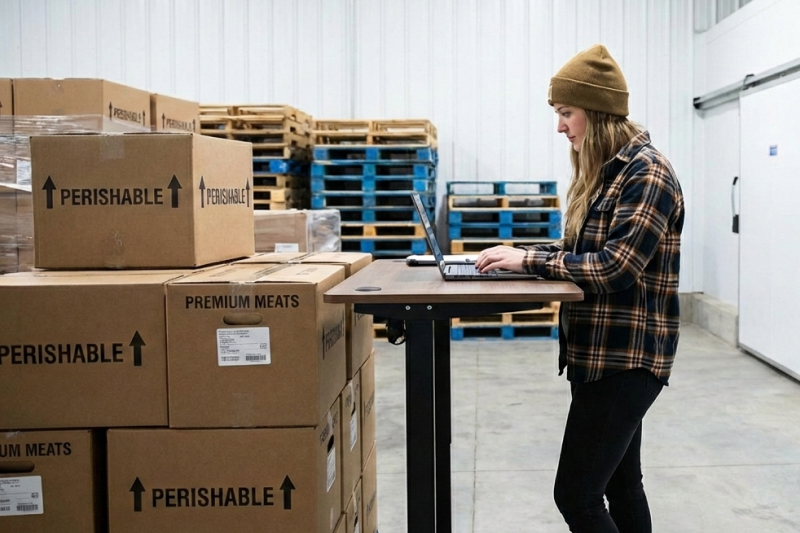
Why Multi-Carrier Shipping Platforms Matter More for Perishables Than for T-Shirts
Most shipping platforms were designed for non-perishable goods like a pair of jeans or the latest smartphone, where a delayed delivery might frustrate a customer but will not ruin the entire order. The harsh reality when shipping fresh salmon or raw juice is that every hour counts. When perishable foods rise above 40°F, they enter a temperature danger zone where bacteria double every 20 minutes—and one delivery gone wrong does not just mean processing a refund; it means worrying that your customer will be too afraid to order from you again.
That’s why perishable goods demand precise timing and unwavering temperature control, which means your business needs a shipping platform designed for perishable shipments, because, in this game, there is no room for the old "ship and pray" approach.
Shipping management software becomes a strategic command center for perishable DTC brands. It is not just about printing labels; it is about Orchestrating intelligent shipping decisions that protect your products and your promises. In a real-world scenario, FedEx might be your champion for your West Coast customers, while UPS could be the cost- effective choice for your Southeast deliveries.
The problem is that nothing's as straightforward as you expect. Every carrier operates a little differently, depending on the hub, destination, labeling on your package, or even by which day of the week it is. Miss any number of critical windows by even a few minutes, and suddenly your carefully planned shipment becomes tomorrow's problem, doubling your spoilage risk and turning what should have been a delighted customer into one feeling anxious and stressed about their order.
With perishable shipping, the software is a part of the cold chain itself, enforcing your shipping schedule, routing based on product type or geography, providing warnings when weather or deliverability risks are high, and improving over time with your specific usage. Unlike generic tools that lack important features such as live checkout, weather awareness, and dry ice compliance, perishable-first software prioritizes product safety and optimized deliverability, not just cost savings.
As an example, consider a frozen meal subscription company shipping nationwide. It relies on software to enforce either overnight or 2-day air for certain orders, blocks others from being released to avoid snowstorms or service outages, and then adds additional protection for higher temperature deliveries. (For a deeper dive on the packaging and operations side, see our complete guide to perishable shipping solutions.) The right software ensures every order meets critical time and temperature requirements while intelligently selecting the most efficient delivery method, coverage, and packaging configuration for each customer to operate profitably, preserve confidence, and prevent losses.
Multi-Carrier Logic: Matching Each Order to the Right Service
If you use a single carrier or service for all of your shipments, you are almost certainly leaving money on the table. The smart shipping approach automatically navigates between carriers to lock in your lowest cost while respecting those critical transit windows that keep your products fresh and your customers happy. Multi-carrier logic gives businesses more options for protecting temperature-sensitive items by allowing them to choose from a variety of carriers and services.
Strong multi carrier perishable logic considers:
- Destination zone and transit time
- Product type (frozen, refrigerated, ambient)
- Package weight and dimensions
- Required delivery date based on product needs
- Customer expectations at checkout
- Current carrier performance and disruptions
The shipping software should support a mix of shipping carriers, enabling flexible routing that balances speed, cost, and reliability to optimize performance for your perishable orders.
Live Shipping Rates and Transparent Delivery Date Promises at Checkout
Your checkout page is more than a transaction gateway; it’s where anticipation meets expectation. Customers don’t just check prices; they want assurance that their order will arrive fresh and intact. Missing your customer’s delivery expectation sets them up for disappointment and costly refunds for you that could be avoided with up-to-date shipping rates and accurate, realistic delivery ETAs.
The checkout integration of a shipping management software should calculate costs and display delivery dates in real time, considering:
- Carrier cut-off times
- Warehouse processing and pack times
- Transit time by service and destination
- Non-shipping days (weekends, holidays)
- Configured blackout rules
- Update shipping rates in real time based on your shipment preferences
The checkout experience would avoid vague labels like “Express,” and instead show specific delivery windows, e.g., “Delivered Wednesday, March 9th, 2026,” based on carrier data and operations.
Using Live Weather Signals and Confidence Scores to Reduce Spoilage Risk
You have multiple orders going to different locations week by week, and success in on-time deliverability is crucial in our world. Seasonal risks like summer heat waves, winter storms, and holiday congestion impact perishables more than general eCommerce. A delayed food shipment risks spoilage and refunds.
The right shipping platform arms you with intelligent risk detection that spots the real threats to your perishables, such as harsh weather, carrier service outages, and those tricky delivery zones or zip codes where packages tend to get lost, all before releasing your shipments.
Other actions include:
- Blocking slower services during summer or heat waves
- Automatically upgrading shipments from hot zones to overnight service
- Preventing Friday shipments to zones where deliverability risks are higher on Saturdays
- Adjusting cut-offs during carrier blackout days
Find a tool that provides live weather tracking and confidence scores for automatic adjustments. These perishable-focused features help avoid costly spoilage and protect your brand.
Building reliable Shipping Rule Automations for Perishables
When perishable goods are constantly at risk of spoilage, many shipping platforms rely on rigid, one-size-fits-all rules. The right solution goes further by giving brands the ability to define precise conditions and intelligent actions so each perishable order is handled based on real delivery risk, not general assumptions.
Rules-based automation rolls your DTC brand's shipping rules and logic into the shipping platform, such as automatically adding dry ice or upgrading to a faster carrier service when transit time, weather, or delivery risk increases, or removing unnecessary packaging and coverage for short, low-risk short-distance shipments.
Instead of relying on static presets or manual review, the right perishable shipping management tool applies real-world conditions to each order automatically so that packaging, protection, and service levels adjust dynamically to reduce spoilage, cost, and delivery failures.
More advanced platforms allow brands to build multi-condition rules that mirror how experienced operations teams actually think about perishable shipping, such as:
- If the recipient delivery zone exceeds a defined distance or transit range, automatically switch from standard ground to expedited or overnight service to maintain product integrity
- If an order’s confidence score falls below a safe threshold, automatically add perishable shipment coverage to protect against loss, delays, or temperature-related failures
- If weather conditions along the delivery route exceed temperature risk limits, automatically add coolant, select “summer insulation” liner, and apply full perishability coverage to eliminate any spoilage risk
- If an order is placed close to a cutoff time or non-ship day, automatically calculate and display the correct delivery date at checkout so fulfillment begins without delays or unrealistic delivery promises
These intelligent, multi-layered shipping automations become the backbone that perishable food brands rely on, ensuring every precious order finds its way to customers with that perfect sweet spot of swift delivery, protection, and smart cost control. They eliminate the manual decision-making and reduce costly shipping mistakes that can sink businesses running on thin margins.
Handling Mixed Orders with Split Shipments
Perishable DTC orders often include items with different packing and temperature requirements. A single checkout may contain frozen, refrigerated, and shelf-stable products. Behind the scenes, you're facing a decision: ship everything together in the most protective packaging and pay overnight rates for some items that don't need them, or split everything into multiple shipments by the minimum service required. This is not a straightforward decision, and the correct answer can be different from one zone to another.
Perishable-focused shipping software should automatically split orders when needed. Each group of items can be assigned to the safest carrier, service level, and delivery window. This logic works alongside multi-carrier routing and shipping rule automations.
Instead of relying on manual decisions after purchase, split shipments are handled automatically. The result is simpler fulfillment, safer delivery, and clearer expectations for customers.
Late Shipment Alerts and Proactive Exception Management
Even with perfectly planned routes and shipping rules dialed in, somewhere between your facility and your customer's door, that fresh salmon delivery hits an unexpected snag. For perishable shippers, these transit hiccups aren't just inconveniences; they can turn premium products into expensive disappointments.
The best software doesn't just track packages; it actively hunts for trouble signs, surfacing late shipment alerts the moment a carrier pushes back the expected delivery date. Imagine the relief your customer feels when they see a reassuring email from you about a shipment delay, rather than finding out on their own. This is the kind of service that builds lasting trust and confidence for future orders. Late shipment alerts become your early warning system, spotting those "uh-oh" moments when shipments are running behind schedule so you can spring into action.
Shipment Protection, Claims, and Accountability
For perishables, "late but delivered" often means unsellable product, resulting in refunds regardless of the carrier's delivery. This creates unique claims and accountability challenges.
- Shipment protection options (insurance, carrier liability, internal guarantees)
- Event tracking and documentation for proof of carrier performance
- Streamlined claims workflows that automate filing and improve recovery
- Performance data by carrier, lane, and season to optimize contracts
Good software also helps manage delayed shipments that might still be safe by enabling proactive customer communication, partial refunds, or store credits to reduce chargebacks and maintain trust.
Clear accountability at every step, knowing what happened, when, who is responsible, and always providing a sensible resolution, is essential.
Perishable Shipping Insurance vs. Order Protection: What to Look For
Perishable Shipping Insurance and Claim Management
Perishable shipping insurance protects the merchant when a shipment is damaged, delayed, or spoiled due to carrier issues, weather events, or handling failures.
This coverage focuses on operational recovery by providing a structured claims process that helps brands recoup losses from a licensed insurer after something goes wrong in transit.
Order Protection is a company promise, assurance, or guarantee to its customers that gives them peace of mind that a hassle-free resolution will be provided if they experience a delivery issue.
This approach increases the customer's post-purchase support expectations by creating a clearer resolution path, while also generating supplemental revenue for the merchant.
Customer Communication and Branded Order Tracking for Perishable Shipments
Clear communication is especially important when shipping perishable products. Customers want to know when their order will arrive and whether it's still on track, particularly if delays or weather issues occur in transit.
Other software often sends customers to third-party sites, but a good multiple carrier shipping platform should provide customer-facing tracking that shows accurate delivery status and realistic expectations. Branded tracking pages help centralize this information so customers are not left guessing or contacting support for updates. A complete tracking page includes a brand-specific page and real-time updates, providing a comprehensive and tailored customer experience.
When combined with late shipment alerts and delivery confidence signals, tracking becomes a support tool rather than a marketing add-on. Proactive visibility reduces customer anxiety, prevents unnecessary refunds, and helps DTC brands maintain trust even when shipments do not go exactly as planned.
By giving customers a clear view of what is happening with their order, branded tracking supports transparency and accountability throughout the delivery experience.
How to Cut Shipping Costs and Boost Profits with the Right Multi-Carrier Shipping Software for Perishables
When your perishable business faces the daily challenge of getting your products to customers fresh while managing shipping costs, it's the matter of choosing the right multi-carrier shipping platform with perishables in mind that becomes your strategic advantage and ultimately saving costs.
Here are key strategies enabled by advanced perishable-first shipping software that helps cut shipping costs and why they matter:
| Capability | Why It Matters |
|---|---|
| Real-Time Rates & Transparent Delivery ETA's at Checkout | Display up-to-date shipping rates and realistic delivery windows at checkout, reducing costly customer service issues and refunds. This also provides your customers with a positive checkout experience for better return rates and more orders. |
Multi Carrier and Service Selection | Your shipment manager should offer the right carriers and service in real-time at checkout to save your customers from risky delivery windows. By doing this to your multiple orders you are keeping the integrity of your product, saving money from refunds and keeping customers happy to order again. |
Shipping Rule Automations | Remember, bacteria doubles every 20 minutes if perishables rise above 40°F, so having rules to prevent this is crucial. First, automatic rules replace manual workarounds saving you time. Next, shipping rules configured for carrier cut-off times, your warehouse processing and pack times, transit time and more will reduce costly delays and spoilage-related losses. |
Automated Packaging Recommendations | When your rules are working overtime a perishable-first software will choose the proper packaging and insulation options that balance protection and dimensional weight, saving on shipping label costs. |
| Split Shipments for Mixed Orders | Stops a single order containing frozen, refrigerated, and shelf-stable products from using packaging and unnecessary services like overnight for some items. Factor in multiple orders and you are cutting down on shipping costs and saving more from revenue for profit. |
Offering Order Protection at Checkout | Give customers peace of mind, boosts trust and brand reputation with hassle-free resolution if issues occur. But also create extra revenue when things go right and safeguard your business against shipping losses. |
Perishable Coverage & Integrated Claims Management | A shipping platform should protect your business, save time and efficiency from a structured claims process from a licensed insurer that recovers costs from carrier failures, minimizing financial losses. |
Discounted Shipping Rates | When a multi-carrier shipment software offers costs savings from all of the above you can ultimately further cut costs when the platform offers their own discounted carrier shipping rates that you can use for each of your orders. Saving you even more money and costs to help your perishable DTC business grow. |
By integrating these features into your shipping workflows, your perishable business can save money on shipping costs, improve customer satisfaction through reliable delivery, and increase operational efficiency, ultimately boosting your bottom line.
Practical Checklist: How to Compare Multi Carrier Shipping Software for Perishables
Use this checklist as a guide during a review and testing of platforms to focus on perishable-specific capabilities. This checklist is especially useful for DTC business owners shipping perishable products, providing practical tips. While most of these should apply, there are of course certain needs you will have based on your products and processes:
Delivery Window Control
- Enforce maximum transit times per product type (e.g., 24 hours refrigerated, 48 frozen)
- Block Friday shipments to zones requiring 2+ days transit
- Account for weekends and holidays in delivery calculations
Carrier Support
- Integrate with multiple carriers
- Add new carriers, especially regional, as business grows
- Toggle specific services by ZIP code or state
Routing Logic
- Build rules based on weather, product tags, destination, and delivery speed
- Route different SKUs (frozen vs. ambient) to appropriate carriers/services automatically
- Set carrier preferences by lane using historical data
Weather and Risk Handling
- Create seasonal rules (e.g., summer heat upgrades)
- Integrate weather data or carrier alerts if possible
- Block shipments from being released to areas with service outages
Claims and Protection
- Support shipment insurance or protection programs
- Easy claim filing and tracking
- Good policy that includes weather endorsements and delay coverage
Checkout Integration
- Show accurate live rates & delivery dates, not vague speed labels
- Set rules per product
- Enforce warehouse cutoffs and pack schedules
- Automated Box Splitting for accurate rates, no matter the order size
Platform Basics
- Integrate with eCommerce platforms (ex. Shopify, WooCommerce, GrazeCart)
- Responsive, knowledgeable support on perishables
- Manage multiple carriers on one platform without switching portals
- Create fully customized tracking pages with personalized notifications
Validation Approach
- Run a pilot in tandem with your current solution before full rollout
- Free plan or trial period for testing
- Flexible contract terms allowing exit if the platform doesn’t fit
Avoid long, inflexible contracts before live testing. Real shipments validate that the rules work as expected.
What to Avoid When Choosing Shipping Software for Perishables
Beware of software that:
- Cannot restrict services by product type or enforce temperature constraints
- Lacks live checkout features
- Has manual, inefficient claim workflows and generic automations
- Is optimized for apparel or general merchandise, not perishables
Shipping perishables requires treating time and temperature as critical constraints.
Making a Confident, Low-Risk Software Choice
When you're shipping frozen meals or fresh produce direct-to-consumer, your multi-carrier shipping software becomes the critical bridge between harvest and doorstep, where real-world delivery challenges like weather delays and carrier performance directly impact whether your product arrives fresh, your customers stay loyal, and if your margins survive each week.
With ShipFare, it does all of these things and more, because it was designed specifically for perishable DTC brands focusing on:
- Protecting product quality through time and temperature controls
- Managing total cost per successful delivery, including spoilage and reships
- Maintaining customer trust with accurate delivery promises
Invest time in testing and validating software like ShipFare with real shipments before peak seasons. Data-driven decisions prevent costly failures and ensure your perishable products arrive fresh and your customers stay satisfied. Making the choice of a reliable multi-carrier shipping software that offers precise control, real-time insights, and seamless automation is essential to your perishable food business's success.
Frequently Asked Questions
What is multi-carrier shipping software for perishables?
It's a platform that automatically selects carriers, enforces transit time limits, manages packaging rules, and adjusts for weather and delivery risk on every order. Unlike general shipping software, it treats time and temperature as hard constraints — not preferences — and integrates with your storefront to show accurate delivery dates at checkout.
How does perishable shipping software handle weather delays?
Perishable-first platforms use live weather data and per-order confidence scores to detect delivery risk before shipments are released. When a heat wave, storm, or carrier outage is detected, the software can automatically upgrade service levels, add coolant, switch carriers, or block the shipment until conditions improve.
Does multi-carrier shipping software integrate with Shopify?
Yes. Leading perishable platforms integrate with Shopify, WooCommerce, and GrazeCart to display live rates, accurate delivery dates, and Order Protection at checkout. The integration pulls order data automatically to trigger routing rules and packaging recommendations.
How much can multi-carrier routing save?
Comparing UPS and FedEx rates on every shipment rather than defaulting to one carrier typically saves 15–20% across mixed order volume. Additional savings come from preventing unnecessary overnight charges, packaging optimization, and automated split shipments for mixed-temperature orders.
What features should I look for in software for frozen food?
For frozen food specifically: maximum transit time enforcement (usually 48 hours or less), dry ice labeling compliance, carrier rate comparison for overnight services, and automatic service upgrades triggered by weather or confidence scores. The platform should also support insulation selection as part of automated packaging rules.