
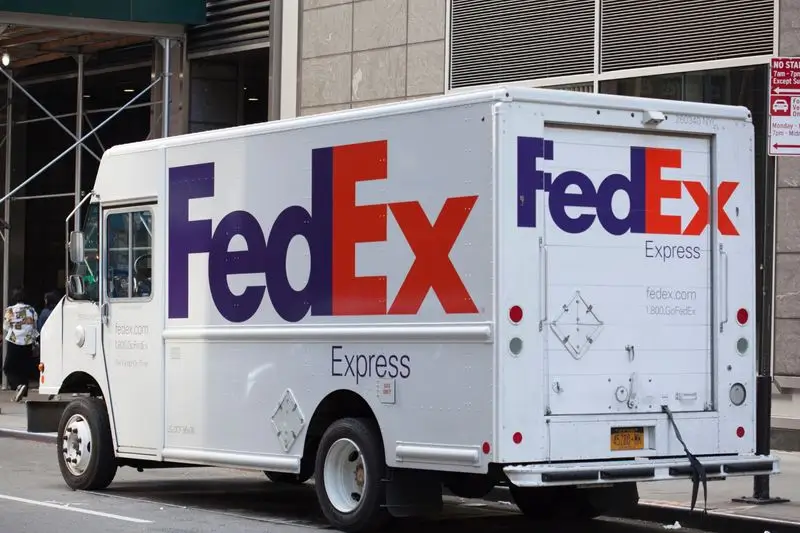
Yes, FedEx ships frozen food - domestically and internationally - through FedEx First Overnight®, FedEx 2Day®, and FedEx Express Saver®. But knowing that FedEx can ship frozen food and knowing how to actually do it without losing product, margin, or customers are two very different things.
We run a perishable shipping platform that processes thousands of frozen shipments per month across FedEx, UPS, and regional carriers. This guide covers what we've learned - not from FedEx's marketing pages, but from real shipments hitting real doorsteps in every climate zone in the continental US.
Last updated: April 2026
FedEx Frozen Food Shipping Services
FedEx offers several express services suitable for frozen food: Priority Overnight, Standard Overnight, 2Day, and Express Saver. Each has different transit windows, and the one you choose depends on how far you're shipping, what you're shipping, and how much dry ice you're willing to pack.
FedEx Express Services for Frozen Food
- FedEx Priority Overnight®Delivery by 10:30 AM next business dayBest for frozen
- FedEx Standard Overnight®Delivery by 3:00 PM next business dayGood for frozen - lower cost than Priority
- FedEx 2Day®Delivery by end of day, 2 business daysGood for frozen with adequate dry ice
- FedEx Express Saver®Delivery by end of day, 3 business daysRisky for frozen - requires copious dry ice
For most DTC frozen food brands, FedEx Priority Overnight is the gold standard. The 10:30 AM delivery window means your product arrives before the hottest part of the day, with minimal dry ice needed. FedEx Standard Overnight is a solid alternative at a lower rate - delivery by 3:00 PM still keeps transit under 24 hours. FedEx 2Day works for brands willing to pack heavier on coolant. Express Saver is a gamble for frozen goods - three days in transit means you need 8.5-10 lbs of dry ice for a standard box, which adds weight and cost while increasing the window for something to go wrong.
FedEx operates its primary air hub in Memphis, Tennessee, with secondary sortation hubs in Indianapolis, Oakland, and Newark [1]. This hub-and-spoke model means most overnight shipments pass through Memphis, which is worth knowing when you're mapping transit times. If you're shipping from the West Coast to the East Coast, that package is flying to Memphis first - add a buffer to your dry ice calculations accordingly.
A note on FedEx Ground: Ground is risky for frozen food. Transit times range from 1-5 business days depending on distance, and service guarantees don't kick in until after day 5 - making claims for spoilage or delays on shorter shipments virtually pointless. Only consider Ground if transit times are expected within 1-2 business days, and even then, expect loss rates to be slightly higher than express services due to non-temperature-controlled trucks and warehouses.
Dry Ice: Costs, Quantity Limits, and Labeling Requirements
Dry ice is the standard coolant for frozen food shipped via FedEx. It sublimates (transitions directly from solid to gas) at a rate of roughly 5-10 pounds per 24 hours, depending on insulation quality, ambient temperature, and package size. It's effective, but it's also expensive, regulated, and requires careful handling.
How Much Dry Ice Do You Need?
Dry ice requirements depend on box size, insulation thickness, product weight, and ambient temperature. Generic "pounds per day" charts are misleading - here are realistic estimates for a standard12 × 12 × 12-inch insulated box with ~30 lbs of pre-frozen product, the most common configuration for DTC frozen food. Larger boxes, heavier loads, or summer shipping may need more. And remember: your product sits in non-refrigerated warehouses, trucks, and sortation facilities before and after the flight. The clock starts at packing, not pickup.
Dry Ice Estimates by FedEx Service
- FedEx Priority Overnight® (1 day)~4 lbs
- FedEx Standard Overnight® (1 day)~5.5 lbs
- FedEx 2Day® (2 days)~5.5 lbs
- FedEx Express Saver® (3 days)8.5-10 lbs
Based on a 12 × 12 × 12′′ insulated box, ~30 lbs frozen product. At $1.00-$1.25/lb from industrial suppliers at volume, dry ice costs $4-$13 per shipment depending on service level. Buy from industrial gas suppliers - grocery store dry ice runs 2-3× more.
FedEx Dry Ice Limits
FedEx allows up to 200 lbs of dry ice per package for domestic ground shipments and up to 5.5 lbs per package on passenger aircraft (FedEx Express flights). Packages exceeding 5.5 lbs must ship on cargo-only aircraft, which is standard for most express services [2]. For most DTC frozen food shipments in the 5-20 lb dry ice range, you'll be within FedEx's standard limits.
Labeling Requirements
Every package containing dry ice shipped via FedEx must carry a UN 1845 Class 9 miscellaneous hazardous material label. The label must include:
- The net weight of dry ice in kilograms
- The shipper's and recipient's full contact information
- The words "Dry Ice" or "Carbon Dioxide, Solid"
- The UN number: UN 1845
This isn't optional. In 2024, FedEx reported increased enforcement of dry ice labeling compliance, with account suspensions issued for repeat violations. If you're shipping at any volume, build compliant labeling into your fulfillment workflow - or use a shipping automation platform that generates the labels automatically.
How to Package Frozen Food for FedEx Shipments
Your packaging is the cold chain. Once the package leaves your warehouse, you have zero control over ambient temperature, handling, or timing. The insulated box and coolant are the only things standing between your product and a spoilage claim.
Outer Box
Use heavy-duty corrugated cardboard rated at least 3× the weight of your product plus dry ice. Single-wall ECT boxes crush under pressure and fail at the corners. The outer box provides structural protection - your insulation handles the thermal job.
Insulation Options
Polyurethane foam delivers roughly 2× the R-value per inch compared to EPS, making it the best thermal performer. It's lightweight and conforms well to product, but it's the most expensive and least environmentally friendly. Use polyurethane when you need maximum performance for longer transit times or extreme heat.
EPS (expanded polystyrene) is the industry workhorse - strong thermal performance at a lower cost. A 1.5-inch wall is adequate for overnight; go to 2-inch for 2-day transit. Rigid, moisture-resistant, and available in pre-formed shapes. The downside is environmental - it's not biodegradable and recycling is limited.
Cornstarch-based insulation performs comparably to EPS and dissolves in water, making it a viable option for eco-conscious brands. More expensive and less widely available, but increasingly popular as a sustainability differentiator.
Whichever you choose, line all 6 sides - top, bottom, and all 4 walls. Gaps let ambient air in and accelerate melt.
The Pack-Out Process
Pre-freeze your product to 0°F (-18°C) for at least 24 hours before packing. Product that's still cooling when packed will lose temperature faster in transit. This is one of the most common mistakes - pulling product from a 20°F freezer and expecting 0°F performance from your packaging.
- Line the bottom and sides of the insulated container with a waterproof barrier (poly bags work)
- Place a layer of dry ice on the bottom
- Add frozen product in the center - don't let it touch the outer walls directly
- Place dry ice on all sides of the product, not just on top
- Fill any gaps with dry ice, paper, or extra insulation - air pockets are your enemy
- Top with a final layer of dry ice
- Seal the insulated container inside the outer corrugated box
Ventilation is not optional. Dry ice releases CO2 as it sublimates. In an enclosed space - a delivery van, a warehouse elevator, a car trunk - CO2 buildup displaces oxygen and creates a suffocation hazard. Never seal the box airtight. Leave the carrier's tape gaps intact. Don't overwrap.
Gel Packs vs. Dry Ice
Gel packs are a cost-effective alternative to dry ice for refrigerated goods (32-40°F), but they cannot maintain the sub-zero temperatures needed for truly frozen products. If your product must stay at or below 0°F, dry ice is the only viable option for parcel shipping.
Many brands ship a mix - frozen items with dry ice and refrigerated items with gel packs. If you're running mixed-temperature orders, you need a system that can automatically split shipments by temperature requirement so frozen and refrigerated products get the right packaging.
Food Safety Compliance and Regulations
Shipping frozen food isn't just a logistics problem - it's a regulatory one. There are federal requirements, carrier-specific rules, and international regulations that apply depending on where you're shipping and what you're shipping.
Federal Regulations (Domestic)
The FDA's Food Safety Modernization Act (FSMA), signed into law in 2011, shifted the focus from responding to food contamination to preventing it [4]. Under the Sanitary Transportation Rule (finalized in 2016), shippers are responsible for ensuring that food is transported under conditions that prevent it from becoming unsafe. For frozen food, this means maintaining appropriate temperatures from warehouse to doorstep.
Additionally, the Department of Transportation (DOT) regulates dry ice as a hazardous material under 49 CFR 173.217. This mandates proper labeling, packaging, and documentation for any shipment containing dry ice, regardless of carrier.
International Shipments
If you're shipping frozen food internationally via FedEx, you'll need to comply with IATA Packing Instruction 954 for dry ice [5], which sets stricter limits on quantity, labeling, and documentation. You'll also need to navigate the importing country's food safety regulations. For example, shipping frozen food to Canada requires a Safe Food for Canadians License and compliance with CFIA labeling requirements.
The regulatory burden is real, but it's manageable if you build compliance into your workflow rather than treating it as an afterthought. Automated label generation, pre-built customs templates, and carrier-specific compliance checks can save hours of manual work per week - and prevent the account suspensions that come from violations.
Scheduling and Timing Strategy
When you ship matters almost as much as how you ship. A perfectly packed frozen shipment sent on the wrong day can still fail.
The Monday-Wednesday Rule
Most experienced perishable brands restrict frozen shipments to Monday through Wednesday. Thursday is reserved for overnight-only services. Friday shipments are avoided entirely - if a Friday shipment gets delayed, it sits in a warehouse through the weekend with no temperature control. That's 48-72 hours of uncontrolled ambient temperature, which is enough to ruin any frozen product regardless of how much dry ice you packed.
Internal Cutoff Times
FedEx pickup cutoffs vary by location, but most are between 4:00 PM and 6:00 PM local time. Miss the cutoff and your package ships the next business day - an extra 24 hours of sublimation before it's even moving.
Set your internal order cutoff at 1:00 PM. Orders placed after 1 PM should ship the next business day. A 4:00 PM order that you try to rush out that evening introduces too many points of failure - incorrect pack-outs, missed pickups, no time to catch labeling errors. Automate your cutoff enforcement. Manual processes break down under order volume.
Holiday and Peak Season Planning
During peak shipping periods - Thanksgiving week, the December holiday window, and Valentine's Day for specialty food brands - carrier networks are strained. Transit times get less predictable, and the risk of delays increases significantly. During these periods, many brands shift entirely to overnight service and increase dry ice quantities by 30-50% as a buffer.
Communicate cutoff dates clearly on your website, in your order confirmation emails, and at checkout. Setting expectations upfront eliminates the "where's my order?" tickets that flood in when holiday shipments run behind schedule.
What It Actually Costs to Ship Frozen Food with FedEx
The biggest mistake brands make when budgeting for frozen shipping is looking at the carrier rate alone. The true cost includes packaging, coolant, spoilage losses, and the customer service overhead when things go wrong.
Estimated Total Cost Per Frozen Shipment (10 lb package, domestic)
- FedEx service (Priority Overnight, Zone 4-5)$30-$55
- Insulated packaging (EPS cooler + outer box)$3–$6
- Dry ice (~4 lbs Priority ON at $1–$1.25/lb)$4–$5
- Hazmat label + compliance$0.10–$1.00
- Total landed cost per shipment$37–$67
That's before spoilage. The average spoilage rate for DTC perishable shipments is 5-8% across all carriers. At a $50 average order value, an 8% spoilage rate means you're losing $4 per shipment in refunds and reships - on top of the shipping cost. And a reshipped order costs $80-$200+ when you factor in replacement product, packaging, expedited shipping, and customer service time. A few extra dollars of dry ice or a thicker liner is always cheaper than a reship.
Seasonal Conditions Change Your Cost Structure
A real example: Chicago to New York. In January, a 2-day shipment with 4 lbs of dry ice will almost always work - ambient temperatures stay low enough that your insulation handles the rest. In August, that same route requires overnight air, 7-8 lbs of dry ice, or both.Seasonal conditions don't just influence your packing decisions - they change your cost structure entirely. Build a rate model that accounts for summer cost increases before you price your shipping or set free-shipping thresholds.
How to Reduce Costs Without Increasing Spoilage
- Use a multi-carrier approach. FedEx isn't always the cheapest option for every zone. A multi-carrier shipping platform can automatically select the best rate-and-route combination for each order.
- Negotiate volume discounts - but not too early. If you're brand new, don't establish a direct carrier account right away. A group enterprise account gives you access to pre-negotiated rates without the volume commitment. Once you have enough volume for your own agreement, you can negotiate even better rates and use the group account to fill any discount gaps.
- Right-size your packaging. Oversized boxes increase dimensional weight, which is how FedEx calculates the billable weight for most express shipments. A box that's 2 inches too wide in every direction can add $3-$5 per shipment.
- Pre-cool everything. Products that go into the box already at -10°F require less dry ice than products pulled from a 0°F freezer. Pre-cooling your insulated containers for 30 minutes before packing also helps.
Insurance and Risk Mitigation
Here's something most brands learn the hard way: FedEx's standard declared value coverage does not cover spoilage. If your frozen food arrives thawed because of a carrier delay, FedEx's liability is limited to the declared value of the contents - and even that's subject to exclusions for perishable goods.
You need third-party perishable shipping insurance that explicitly covers temperature deviations, carrier delays, misrouted packages, and spoilage. Look for coverage that includes a weather endorsement (for heat waves and storms that cause delays beyond your control) and time-in-transit coverage (for carrier operational failures, strikes, or mechanical breakdowns).
Why claims fail: The #1 reason perishable insurance claims get denied is poor documentation - specifically, unclear proof that you actually compensated the customer. Insurers need evidence of the refund (credit card confirmation or transaction timeline) or replacement shipment documentation (tracking number, packing slip). Without proof of compensation, insurers question whether a legitimate loss occurred. Also watch for "improper packing" exclusions in the policy language - most standard policies use this to deny perishable claims entirely.
At ShipFare, we built perishable insurance directly into the platform. Every shipment can be insured at checkout with automated claims filing - no manual paperwork, no fighting with adjusters. When a shipment spoils, the claim is filed automatically based on tracking data and weather conditions, and the payout is processed without you lifting a finger.
Tracking and Proactive Alerts
FedEx Delivery Manager® provides basic tracking, but it doesn't account for perishable-specific risks like weather events along the route or known delays at specific sortation facilities. A dedicated late shipment alert system can notify you the moment the carrier pushes back the expected delivery date — giving you time to proactively reach out to the customer with a replacement or refund instead of waiting for the complaint.
FedEx vs. UPS vs. USPS for Frozen Food Shipping
FedEx isn't your only option, and most successful perishable brands don't use a single carrier exclusively. Here's how the three major carriers compare for frozen food:
| Feature | FedEx | UPS | USPS |
|---|---|---|---|
| Overnight frozen capable | ✅ Priority Overnight | ✅ Next Day Air | ❌ No temp control |
| 2-day frozen capable | ✅ FedEx 2Day | ✅ 2nd Day Air | ❌ |
| Dry ice limit (domestic) | 200 lbs/pkg | 200 lbs/pkg | 5 lbs/pkg |
| Hub model | Memphis primary (air) | Louisville primary (air) | Regional sortation |
| Perishable insurance | ❌ Excluded from standard coverage | ❌ Excluded from standard coverage | ❌ |
| Best for | Overnight, cross-country | 2-day, regional, volume pricing | Lightweight non-frozen perishables only |
UPS
UPS is FedEx's closest competitor for frozen food shipping. Our full UPS frozen food guide covers their services in detail. UPS operates its air hub out of Louisville, Kentucky, and offers competitive pricing for brands shipping 200+ shipments per week. The main difference: UPS tends to be slightly cheaper for 2-day services, while FedEx has a slight edge on overnight reliability. Neither carrier offers cold packaging designed for food shippers - you'll need to source your own EPS coolers and dry ice regardless of carrier.
USPS
USPS has no temperature-controlled infrastructure - no cold chain vehicles, no climate-controlled sorting facilities. They also cap dry ice at 5 lbs per package, which limits you to very short transit windows. USPS can work for last-mile delivery of refrigerated (not frozen) goods in local markets, but it's not a viable option for frozen food shipping at any distance.
The best approach for most DTC frozen food brands is to use multiple carriers strategically - routing each shipment to the carrier and service that offers the best combination of speed, cost, and reliability for that specific destination. A multi-carrier shipping platform automates this decision for every order, so you're not manually comparing rates and transit times across carriers.
Frequently Asked Questions
Does FedEx ship frozen food?
Yes. FedEx ships frozen food domestically and internationally through FedEx Priority Overnight, Standard Overnight, FedEx 2Day, and FedEx Express Saver. You're responsible for providing insulated packaging and dry ice - Neither FedEx nor UPS offers cold packaging designed specifically for food shippers — you'll source your own EPS coolers and dry ice regardless of carrier.
How much dry ice do I need for a FedEx frozen shipment?
For a standard 12 × 12 × 12′′ box with ~30 lbs of frozen product: ~4 lbs for Priority Overnight, ~5.5 lbs for Standard Overnight, ~5.5 lbs for 2Day, and 8.5–10 lbs for Express Saver. Larger boxes and heavier loads need more. The clock starts at packing, not pickup - account for warehouse and porch time.
How much does it cost to ship frozen food with FedEx?
A typical 10 lb frozen food shipment via FedEx Priority Overnight costs $37–$67 total, including packaging, dry ice, and the carrier rate. Costs vary by zone, package size, and negotiated rates. Volume shippers can reduce rates 20-40% through negotiation or a multi-carrier aggregator.
What are FedEx's dry ice labeling requirements?
All FedEx shipments containing dry ice require a UN 1845 Class 9 hazmat label showing the net weight in kilograms plus full sender and recipient contact information. Violations can result in account suspension. Build labeling into your fulfillment automation.
Can I use gel packs instead of dry ice for FedEx frozen shipments?
Gel packs maintain 32-40°F (refrigerated), not the sub-zero temperatures required for frozen products. Use gel packs for refrigerated items like fresh produce and dairy. Use dry ice for anything that must stay at or below 0°F during transit.
Should I avoid shipping frozen food on Fridays?
Yes. A Friday delay pushes delivery to Monday - 48+ hours in an uncontrolled warehouse. Most perishable brands ship Monday through Wednesday and limit Thursday to overnight-only services.
Is FedEx or UPS better for frozen food?
Both are capable carriers. FedEx has a slight edge on overnight reliability due to its Memphis hub model. UPS is often more competitive on 2-day pricing and offers consistent driver routes. Neither offers cold packaging designed for food shippers. Most brands use both, routing by zone and service.
Does FedEx insure frozen food shipments?
FedEx's standard declared value coverage excludes perishable spoilage claims. You need third-party perishable insurance that specifically covers temperature deviations, carrier delays, and spoilage. Expect to pay $0.50-$2.00 per shipment for adequate coverage.
References
- FedEx Corporation. "Company Structure and Hubs." fedex.com
- U.S. Department of Transportation. "49 CFR 173.217 - Carbon dioxide, solid (dry ice)." ecfr.gov
- UPS Healthcare. "Temperature True Packaging — Med 500 Sales Sheet." ups.com
- U.S. Food & Drug Administration. "Full Text of the Food Safety Modernization Act (FSMA)." fda.gov
- International Air Transport Association. "Dangerous Goods Regulations - Packing Instructions." iata.org